Educator Development
School-Wide Practice Change
A School in Transition and a Team on the Rise at Harrison Elementary
At the start of the school year, many classrooms at Harrison Elementary were filled with questions.
Nearly half the teaching staff was new to the profession. A demanding reading curriculum had just been introduced. And for some educators, the learning curve felt steep enough to make them wonder whether they could keep going.
Months later, those same teachers were leading weekly data conversations, sharing strategies, and watching more students reach grade level.
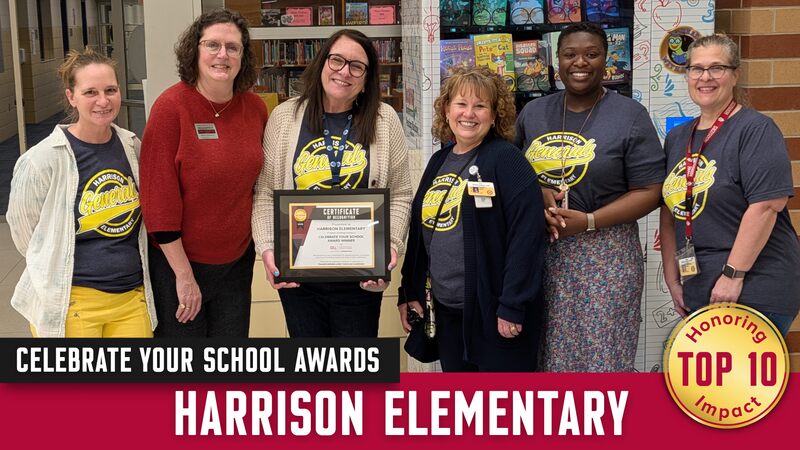
As part of CELL’s 25th anniversary, the Celebrate Your School Awards recognize schools across Indiana that are driving meaningful change for students and educators. Harrison Elementary earned the honor for its literacy gains and showing what can happen when schools support the adults who make student success possible.
A School in Transition
The progress came during a year of significant change.
From 2019 to 2024, Harrison was part of the South Bend Empowerment Zone, a specialized turnaround effort created to give a small group of struggling schools greater autonomy, additional resources, and tailored supports to accelerate school improvement.

Last academic year, those schools returned to the South Bend Community School Corporation.
The transition also came with a new districtwide literacy curriculum grounded in the science of reading. For teachers already adjusting to a different system, it added another major shift.
For Sally Eggleston, Harrison’s principal, the time also marked a homecoming. After teaching at the school for 18 years and later working in professional development for a book company, she returned to lead the place she describes as South Bend’s “little hidden secret.”
“It feels like home,” Eggleston said. “Harrison has always been a huge piece of my heart. I see the potential in the students and the staff that work so hard.”
But before the school could realize that potential, teachers needed to rebuild their confidence.
Learning to Believe Again
At first, the new curriculum felt overwhelming.
“I’m not going to lie,” Eggleston said. “I think across the district there was a lot of frustration around this new reading curriculum. Lots of questions. Teachers were scared to dive in because it’s pretty comprehensive and a totally new way of teaching.”
At Harrison, the challenge was even greater. Nearly half the teaching staff was new to the profession, with many teaching on emergency permits, through transition-to-teaching pathways, or as part of an apprenticeship program while completing their licensure requirements. They were still working to establish basic routines and classroom management systems while also adapting to the more systematic and rigorous approach to literacy instruction.
With new expectations, ambitious improvement goals, and the pressure of raising student achievement, it would have been easy to ask teachers to simply work harder.
Eggleston took the opposite approach. “I’ve just been trying to give the teachers grace in figuring it all out,” she said.
And she made sure they did not have to figure it out alone.
Two intervention specialists worked alongside teachers throughout the day. An Indiana Literacy Cadre coach provided hands-on guidance in classrooms. Administrators stayed visible, answered questions, and celebrated signs of progress.
Over time, frustration gave way to momentum.
“Now they are starting to see the benefits,” Eggleston said. “It’s encouraging to them and they just keep trying harder.”
Doing More with Data
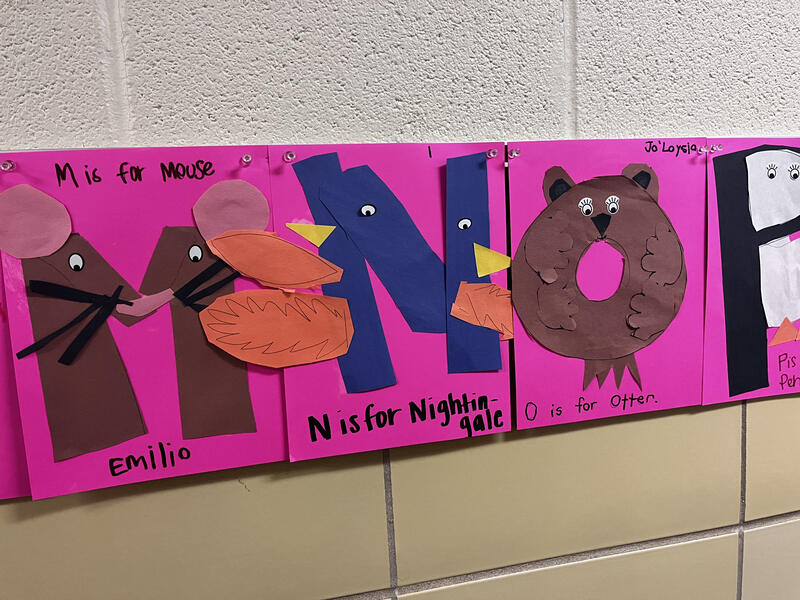
Each week, grade-level teams gathered to study student data together. They identified standards where students were struggling, unpacked exactly what those standards required, and planned targeted instruction.
“The weekly data meetings have been really powerful,” Eggleston said. “They give the team time to plan, collaborate, and exchange ideas about how they are teaching those different skills.”
The meetings gave teachers something they deeply needed: time to think, problem solve, and learn from one another. They also helped them focus their instruction.
Sometimes, Eggleston said, teachers were expecting students to master more than a standard required. The data meetings gave them permission to concentrate on one piece at a time and build from there.
That focus began showing up in student results.
Over the past year, 68% of Harrison students met or exceeded their projected growth in reading. At the same time, the number of students reading on or above grade level increased by 20%, while the number requiring intensive intervention fell by 15%. The school also saw math growth improve by 12 percentage points.
“The weekly data meetings have been really powerful. They give the team time to plan, collaborate, and exchange ideas about how they are teaching those different skills.” -Sally Eggleston, principal, Harrison Elementary
Growth Beyond the Numbers
The changes were visible long before the final numbers came in.
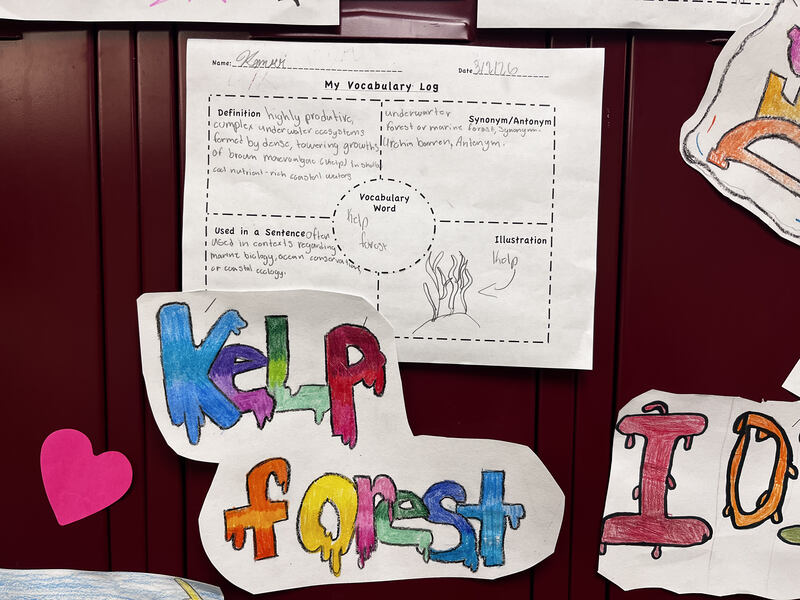
Students entered classrooms with stronger routines and more confidence. They stayed engaged longer and tackled more challenging content.
One day, Eggleston stepped into a first grade classroom and watched students discuss the Declaration of Independence and the Founding Fathers.
“I’m just like, ‘What in the world?!’” she said. “It’s just been really cool to see these young kids talking about these topics that you think they’re going to learn about in middle and high school. They are excited about getting that knowledge.”
The staff was changing, too.
Earlier in the year, the same uncertainty that challenged students had also taken a toll on teachers. One educator repeatedly told Eggleston she was considering leaving the profession.
“She would say, ‘I’m giving this until X date, and if things don’t get better for me, I’m out,’” Eggleston recalled.
As the teacher became more comfortable with the curriculum and her own abilities, her outlook changed. Months later, she returned with a different message.
“I love this school,” she said. “I don’t care where you put me. I want to be here with these kids.”
“A lot of it is about confidence,” Eggleston said. “It’s fun to watch teachers realize their own growth, even in the frustrating days.”
The Power of Partnership
Harrison’s progress reflects a team effort, both inside and outside the building. The school benefits from a network of partners that helps meet students’ academic, emotional, and social needs, allowing teachers to concentrate on instruction and students to fully engage in learning.
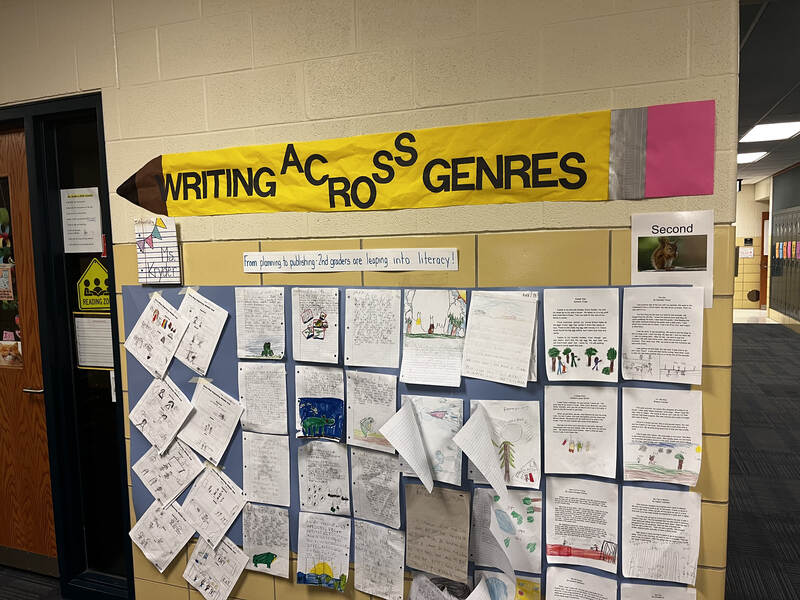
When students need extra reading support, tutors from the University of Notre Dame work with them one-on-one through TutorND four days a week. Students navigating trauma and grief participate in counseling groups led by Oaklawn. After school, community partners, including a local church and the Boys & Girls Clubs of America, provide tutoring and enrichment.
Inside the school, that same spirit of collaboration has helped teachers become more comfortable asking for help and learning from one another.
“I think the Cadre coach has helped a lot,” Eggleston said. “Teachers are asking for support without feeling judged. They feel more comfortable being vulnerable and saying, ‘I don’t know how to do this’ or ‘I need help with this.’”
That openness has become one of Harrison’s greatest strengths.
“It’s not just that a grade level has to figure out intervention,” Eggleston said. “We have a coach, we have interventionists, we have paraprofessionals, we have all kinds of people to help meet students where they’re at and move them forward.”
What makes this story worth celebrating is not perfection, but progress.
Progress Worth Celebrating
Harrison Elementary has not reached the finish line. Like other schools across Indiana, it continues working toward the state’s goal of having 95% of third graders pass IREAD by 2027.
What makes this story worth celebrating is not perfection, but progress.
In a year marked by transition, new expectations, and a steep learning curve, Harrison’s team kept showing up, learning together, and growing in their practice. As they did, the students grew with them.
That progress is doing more than improving test scores. It is rebuilding trust, strengthening the school community, and expanding what teachers and students believe is possible.