School-Wide Practice Change
Educator Development
Four Practices of Effective Principals, Part 1: Building Trust and Capacity Through Feedback, Data, and Collaborative Learning

Leadership isn’t about power. It’s about empowering others to do their best work.
Behind every successful teacher, every confident student, and every thriving campus is a principal guiding with intention and vision. But what does effective leadership really look like?
A research brief from The Wallace Foundation identifies four essential practices that define great principals. These administrators:
- Engage in instructionally focused interactions with teachers,
- Build a productive school climate,
- Facilitate collaboration and professional learning communities, and
- Manage personnel and resources strategically.
In this four-part series, we’re unpacking how those behaviors play out in schools through the experiences of two accomplished Indiana education leaders: Matt Jones, retired principal of Logansport High School, and John Williams, retired principal of Carmel High School. Though their schools and communities looked different, both principals shared a common belief—leadership isn’t about power. It’s about empowering others to do their best work.
In Part 1, we’re exploring the human side of leadership, including the ways great principals coach their teachers and build trust among teams.
The most effective principals make teaching and learning a cornerstone of their leadership.
Engaging in Instructionally Focused Interactions with Teachers
The most effective principals make teaching and learning a cornerstone of their leadership. Their impact is greatest when they engage directly with teachers about instruction, provide clear feedback tied to a shared framework for improvement, and use data to inspire action.
In high-performing schools, this looks less like oversight and more like partnership. Effective leaders turn observations into conversations and evaluation rubrics into roadmaps for growth. When feedback highlights both strengths and improvement areas, teachers buy in more and feel supported to refine their practices.
"[W]e valued giving teachers uninterrupted time to learn and grow.”
-Matt Jones, retired principal, Logansport High School
Case Study: Matt Jones, Logansport High School

At Logansport High School, Jones built that mindset into the way he used the district’s evaluation rubric with teachers. The Wallace Foundation report notes that effective principals establish common expectations for teaching and use a shared framework to guide professional dialogue. For Jones, the rubric became that framework—creating a consistent, fair way to discuss effective instruction and identify growth opportunities.
He viewed each classroom visit as a chance to build confidence and clarity, not to check an evaluation box. When lessons didn’t go as planned, he approached follow-ups as learning opportunities rather than judgment, and he made it a personal rule never to put a weakness in writing without talking to the teacher first. Jones would schedule a second observation, offer resources, or revisit a strategy together. The research calls this structured principal-teacher dialogue, a reflective process in which teachers and administrators jointly interpret what was observed and plan for improvement.
“The lesson didn’t seem to go the way you wanted,” Jones would tell a teacher. “Let’s schedule another observation. Here’s what I’ll be looking for.”
That consistency turned evaluation into encouragement.
Jones also knew that for feedback to spark real improvement, teachers needed time to act on it. As a result, the district introduced a later start time for the high school in order to embed professional learning into the daily schedule. Teachers gained an extra 30 minutes each morning with no students, giving them time for collaboration and planning without losing prep periods, lunch, or personal time.
The Wallace research notes that high-performing schools devote resources to professional learning that strengthens instruction and builds teacher capacity. By carving out this time every day, Jones and his team sent a clear message: teacher learning isn’t extra work, it’s essential work.
“We changed our whole schedule because of it,” Jones said. “That’s how much we valued giving teachers uninterrupted time to learn and grow.”
"What did we try? What worked? What didn’t? What do we want to adjust?”
-John Williams, retired principal, Carmel High School
Case Study: John Williams, Carmel High School
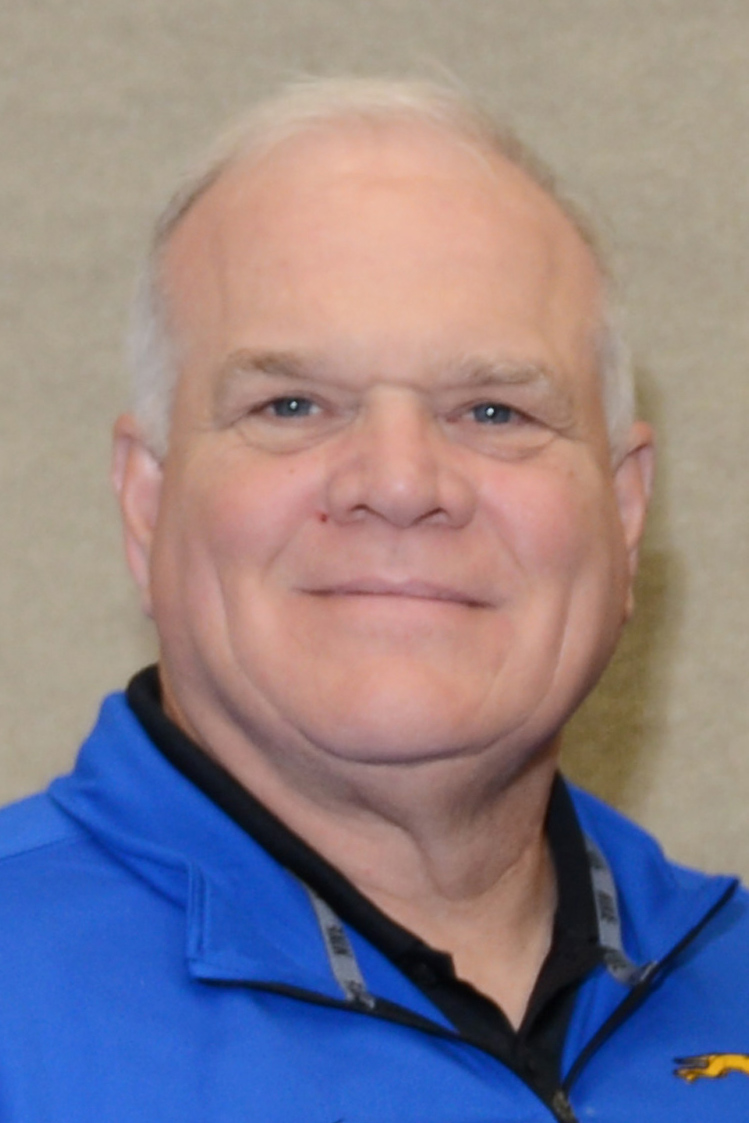
At Carmel High School, Williams strengthened instructional improvement with Data Point Meetings—regular team sessions where teachers reviewed student results, reflected on strategies, and set goals for what to try next.
The research connects this approach to performance management by using data to set measurable goals, provide feedback, and align decisions around improvement. Effective principals, the report notes, use data not only to assess progress but to inspire collective ownership and motivate next steps. Williams saw it as a space for collective learning, not accountability.
“Those meetings weren’t about compliance,” he said. “They were about reflection. What did we try? What worked? What didn’t? What do we want to adjust?”
By turning data into dialogue, Williams helped build a system of transparency, trust, and shared responsibility—an approach the research repeatedly links to strong instructional outcomes.
Whether through Jones’s coaching conversations or Williams’s data discussions, the practices of both leaders align with the research. Instructional leadership, at its best, isn’t about managing classrooms from afar. Effective leaders focus on intentional interactions to support teachers and help them improve.
High-performing schools... emerge through intentional leadership grounded in care, coaching, and credibility.
From Research to Reality
Research identifies what works. Stories remind us why it matters.
The Wallace Foundation’s findings provide the framework, while leaders like Jones and Williams bring the evidence to life, proving that high-performing schools aren’t about luck or the leader’s personality. They emerge through intentional leadership grounded in care, coaching, and credibility.
At the Center of Excellence in Leadership of Learning (CELL), this same blend of research and real-world practice drives our work with principals and aspiring school leaders across Indiana. From developing coaching skills to strengthening school culture, CELL partners with districts to help leaders turn evidence into everyday impact. Because when leaders improve, so do their schools.
Supporting professional learning and productive school climates is just the beginning. In Part 2, we’ll explore how great principals build on that foundation to create strong school cultures.
The Four Practices of Effective Principals: Explore the Complete Series
Want additional strategies to advance your principal leadership skills? Check out: