School-Wide Practice Change
Educator Development
Four Practices of Effective Principals, Part 4: Aligning Time, Talent, and Purpose for Student Success

Every decision a principal makes or doesn’t make—how to spend time, where to place teachers, ways to invest in growth—either builds momentum or breaks it. The most effective leaders make those choices deliberately, aligning people, time, and systems to move the whole school forward.
The idea is reinforced by two decades of research, synthesized by the Wallace Foundation, revealing four practices that define effective principals:
- Engaging in instructionally focused interactions with teachers
- Building a productive school climate
- Facilitating collaboration and professional learning communities
- Managing people and resources strategically
In this final installment of our series, we explore the fourth practice in action. It’s how strategic leaders turn management into momentum, creating schools where every resource supports great teaching and academic progress.
Every decision a principal makes or doesn’t make—how to spend time, where to place teachers, ways to invest in growth—either builds momentum or breaks it.
Case Study: John Williams Carmel High School
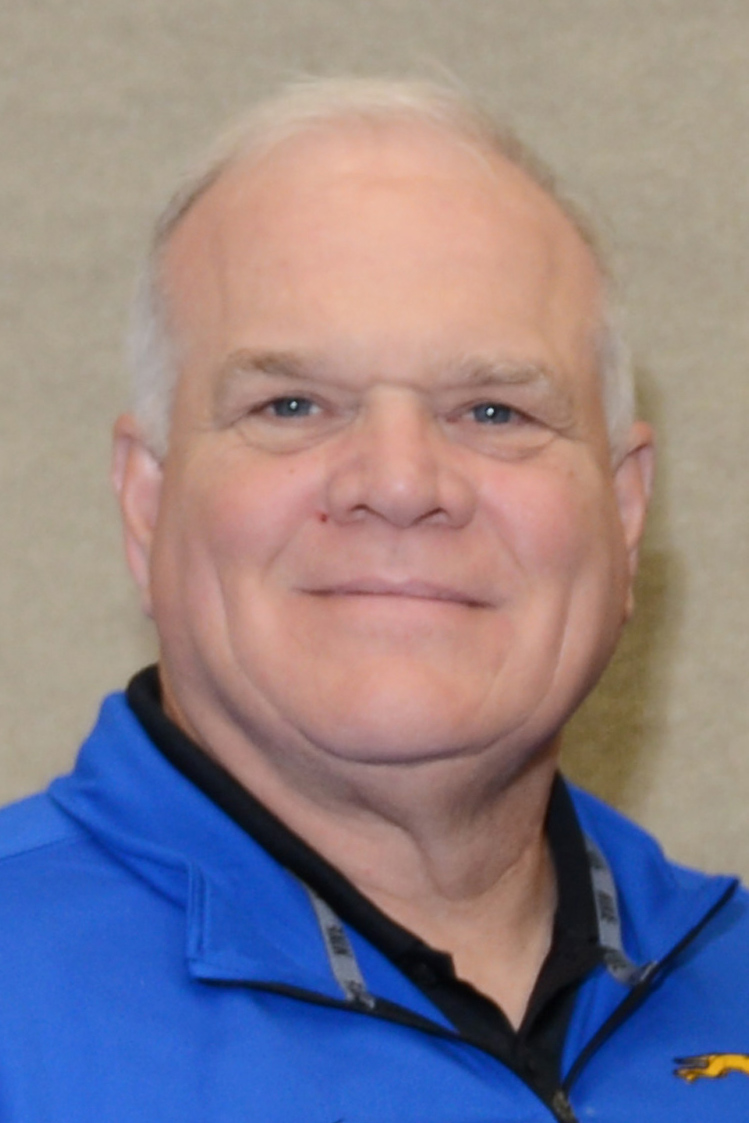
Vision sets the direction. Strategy makes it real. The Wallace Foundation’s research finds that effective principals treat their time, people, and systems as instruments of learning. They align resources around instruction, not administration.
For John Williams, retired principal at Carmel High School, that philosophy showed up in how he managed his schedule.
“If you don’t block time to be in classrooms or hallways, the day gets away from you,” he said. “I really reinforced with my team that as an administrator, you can control your own calendar.”
He reserved Friday afternoons for walk-throughs and check-ins, a habit that made leadership visible and approachable.
“During school hours, my focus was on teachers and kids,” he said. “That wasn’t the time to return phone calls or answer emails. That work came later.”
Managing time strategically was only part of Williams’s approach. He applied that same intentionality to staffing, starting with who joined the team.
“I really reinforced with my team that as an administrator, you can control your own calendar.” - John Williams, retired principal, Carmel High School
“I would ask my department chair to put together a committee of teachers to do the first-round interview,” he said. “They would do the content-area examination and were very serious about the process.”
When the finalists reached his office, he wasn’t assessing whether they could teach. He was looking for who was the best cultural fit.
Williams moved beyond just managing the work to making key moments count. Every decision, from how he spent his time to who joined the team, was strategically designed to advance learning.
Case Study: Matt Jones, Logansport High School

For Logansport, teacher retention and development were top of mind for retired principal Matt Jones. The research shows that novice teachers are often placed in the most challenging classrooms, even though struggling students benefit more from experienced, high-performing teachers. Jones worked to avoid this common school pitfall.
“One thing we always did is ask teachers, ‘What do you want to teach next year?’” he said. “Then we would talk to the department chairperson to assess fit. We’d discuss if a teacher was good for lower-level students or better for more advanced-level courses.”
Rather than assigning new teachers to the toughest sections by default to “earn their stripes,” he paired them with mentors and provided coaching support to build their confidence, regardless of what students they taught.
That same investment in people extended to professional growth. Through funding from CELL’s Rural Early College Network, Logansport provided tuition money to help teachers earn a master’s degree and become dual-credit credentialed. The school also offered a stipend to offset the time teachers spent away from their families completing coursework.
That strategy benefited both students and staff. Students gained access to advanced coursework and a head start on college. Teachers gained credentials and career momentum—a long-term investment in improved school outcomes.
For Jones, it all came down to putting resources where they would make a meaningful difference: in people. By investing in teachers’ growth and confidence, he strengthened the classrooms that needed it most. As a result, teachers were equipped to serve students more effectively and create stronger learning outcomes.
For Jones, it all came down to putting resources where they would make a meaningful difference: in people.
Bringing It All Together
Across four practices and two decades of research, one truth stands out: great principals make great schools possible. They engage in meaningful dialogue about instruction, strengthen climate through trust, build collaboration through shared purpose, and manage resources with intention.
The research defines what effective leadership looks like. Leaders like Matt Jones and John Williams show how it feels in practice—steady, strategic, people-centered, and grounded in what’s best for teachers and students.
At the Center of Excellence in Leadership of Learning (CELL), our work is driven by the same conviction. We partner with schools and districts to strengthen professional learning, support continuous improvement, and turn evidence-based practices into lasting impact. Because leadership isn’t just about managing schools. It’s about empowering the people who make them work.
The Four Practices of Effective Principals: Explore the Complete Series
Want additional strategies to advance your principal leadership skills? Check out: