School-Wide Practice Change
Educator Development
Four Practices of Effective Principals, Part 3: Designing Collaboration and Distributing Leadership for School Improvement

What separates a good school from a great one is leadership—how principals organize people, priorities, and time to help teachers and students do their best work.
In this four-part series, we’re exploring the four essential practices that research from the Wallace Foundation identifies as defining effective principals:
- Engaging in instructionally focused interactions with teachers,
- Building a productive school climate,
- Facilitating collaboration and professional learning communities, and
- Managing people and resources strategically.
In Part 3, we’re examining how effective principals build systems that promote collaboration and embrace feedback to drive school improvement.
The most successful principals don’t just encourage teamwork, they design for it.
Case Study: John Williams, Carmel High School
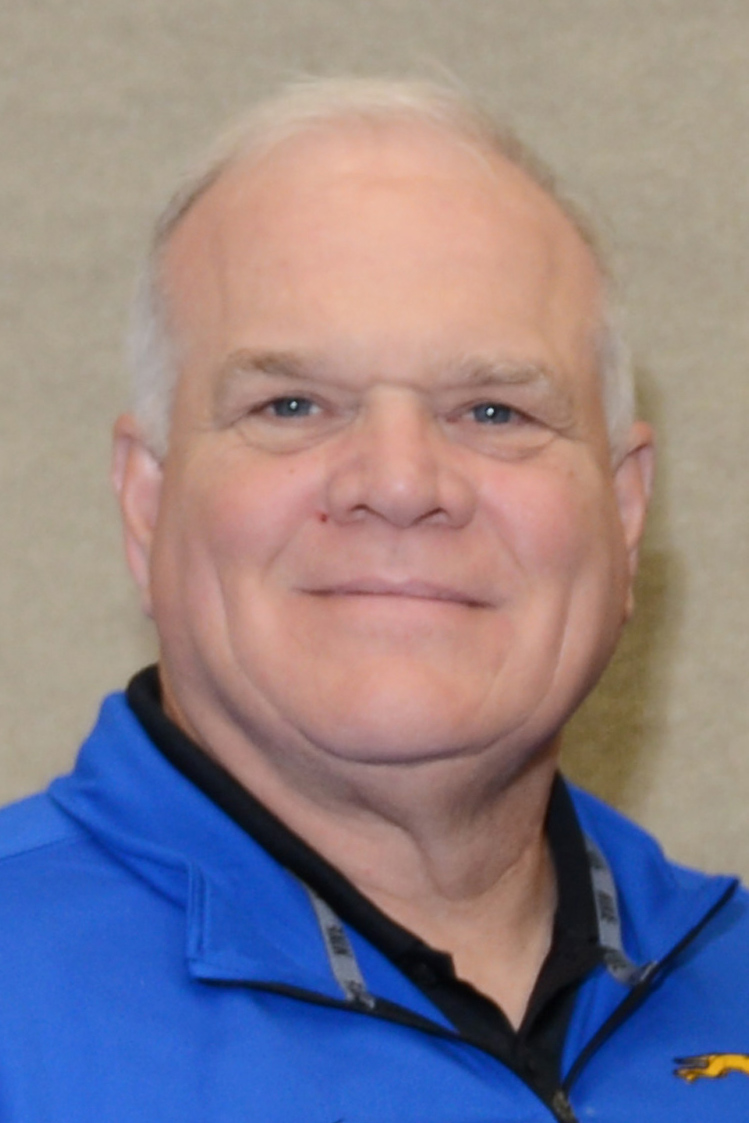
The Wallace Foundation’s research shows that collaboration has the greatest impact when it’s built with purpose. The most successful principals don’t just encourage teamwork, they design for it. They protect time for teachers to work together, foster a shared sense of responsibility for student learning, and rely on teacher-leaders to keep that collaboration centered on instruction.
At Carmel High School, retired principal John Williams put that philosophy into practice by giving teachers real influence over how progress took shape. The school’s improvement committee carried weight and credibility across the building.
“Almost anything we presented to the staff that was going to be a change came through the School Improvement Committee,” Williams said. “The staff didn’t necessarily have to hear me talking about a new program. I was there and part of the committee, but I let them hear it through their colleagues.”
The Wallace Foundation report calls this creating a shared sense of responsibility for student learning. By introducing new initiatives through peer leaders rather than top-down mandates, Williams built trust and buy-in before change ever reached the full staff.
He extended that shared ownership through department chairs, who were empowered to conduct teacher evaluations and guide professional conversations. It was a distributed model that reflected the research’s emphasis on leveraging teacher-leaders to sustain professional learning.
Time was another tool Williams used strategically. Leveraging Carmel’s block schedule, core subject teachers taught five periods out of eight, creating space during the day to meet with students, analyze performance data, and plan together. Williams followed educational researcher Dr. Richard DuFour’s philosophy on professional learning communities: The true experts in your building are your teachers, so you have to give them time to collaborate. Williams also ensured that time produced results. “We built a structure for accountability. Each collaboration had to end with an action plan.”
The true experts in your building are your teachers, so you have to give them time to collaborate.
The Wallace research describes this as scheduling with learning in mind—embedding professional growth into the rhythm of the day rather than expecting it after hours.
Williams’s approach shows how collaboration becomes most powerful when it’s intentional. By designing systems that give teachers ownership, structure, and time, he turned teamwork into collective leadership. The result was a culture where improvement didn’t depend on direction from the top but ownership from within.
Case Study: Matt Jones, Logansport High School

At Logansport High School, retired principal Matt Jones approached collaboration through reflection, guided by a question from educator and author Dr. Todd Whitaker: What will your best teachers think?
“If you don’t have the buy-in of your best teachers on an initiative, it’s probably not going to work,” Jones said. “Before I made any big move, I got their input.”
This perspective connects to the research findings on collective efficacy: when teachers work together, they directly influence student outcomes. Jones watched this dynamic strengthen as respected teachers helped shape new initiatives from the start. “It’s not about the program,” he often reminded fellow administrators, “it’s about the people.”
By seeking feedback early and grounding decisions in classroom reality, Jones turned collaboration into commitment. His teachers didn’t just follow direction; they helped create it.
“If you don’t have the buy-in of your best teachers on an initiative, it’s probably not going to work. Before I made any big move, I got their input.” -Matt Jones, retired principal, Logansport High School
Turning Insight into Action
Collaboration flourishes when rooted in trust and shared purpose. Whether through Carmel’s teacher-led structures or Logansport’s feedback loop, the outcome was the same: when teachers lead alongside administrators, collaboration evolves from discussion into action and forms the foundation for a stronger school.
At the Center of Excellence in Leadership of Learning (CELL), we see that same belief in action every day. Through partnerships with schools and districts, CELL helps principals turn research into real-world practice—building stronger teams, healthier cultures, and better outcomes for students.
The Four Practices of Effective Principals: Explore the Complete Series
Want additional strategies to advance your principal leadership skills? Check out: